
Kitchen design trends are constantly evolving. Cabinet colors, countertop materials, hardware finishes, and architectural details move in and out of popularity, influencing how homeowners and designers approach new projects.
While trends can introduce fresh ideas and creative possibilities, they do not always translate into interiors that remain relevant over time.
A timeless kitchen is not necessarily traditional, neutral, or minimal. It is a space where the materials, proportions, and design decisions feel appropriate for the home rather than tied to a particular moment.
The difference between a trend-driven kitchen and a timeless kitchen is not whether it incorporates current ideas. It is whether those choices have lasting value beyond their immediate popularity.
What Makes a Kitchen Trend-Driven?
A trend-driven kitchen is often characterized by design decisions influenced primarily by what is currently popular.
This might include a particular cabinet color, highly recognizable door style, dramatic countertop treatment, or combination of materials frequently seen in contemporary interiors.
There is nothing inherently wrong with incorporating these elements.
Trends can encourage experimentation, introduce new materials, and inspire homeowners to consider possibilities they might otherwise overlook.
The challenge arises when the entire kitchen is designed around a highly specific aesthetic without considering the home's architecture or the way the space will be used.
For example, a cabinetry finish selected because it is fashionable may feel disconnected from the flooring, surrounding rooms, or architectural character of the residence.
A kitchen can look impressive when first completed but become visually dated when too many of its defining features are associated with one particular design period.
Timeless Kitchens Begin With the Architecture
One of the strongest foundations for a timeless kitchen is a clear relationship with the home's architecture.
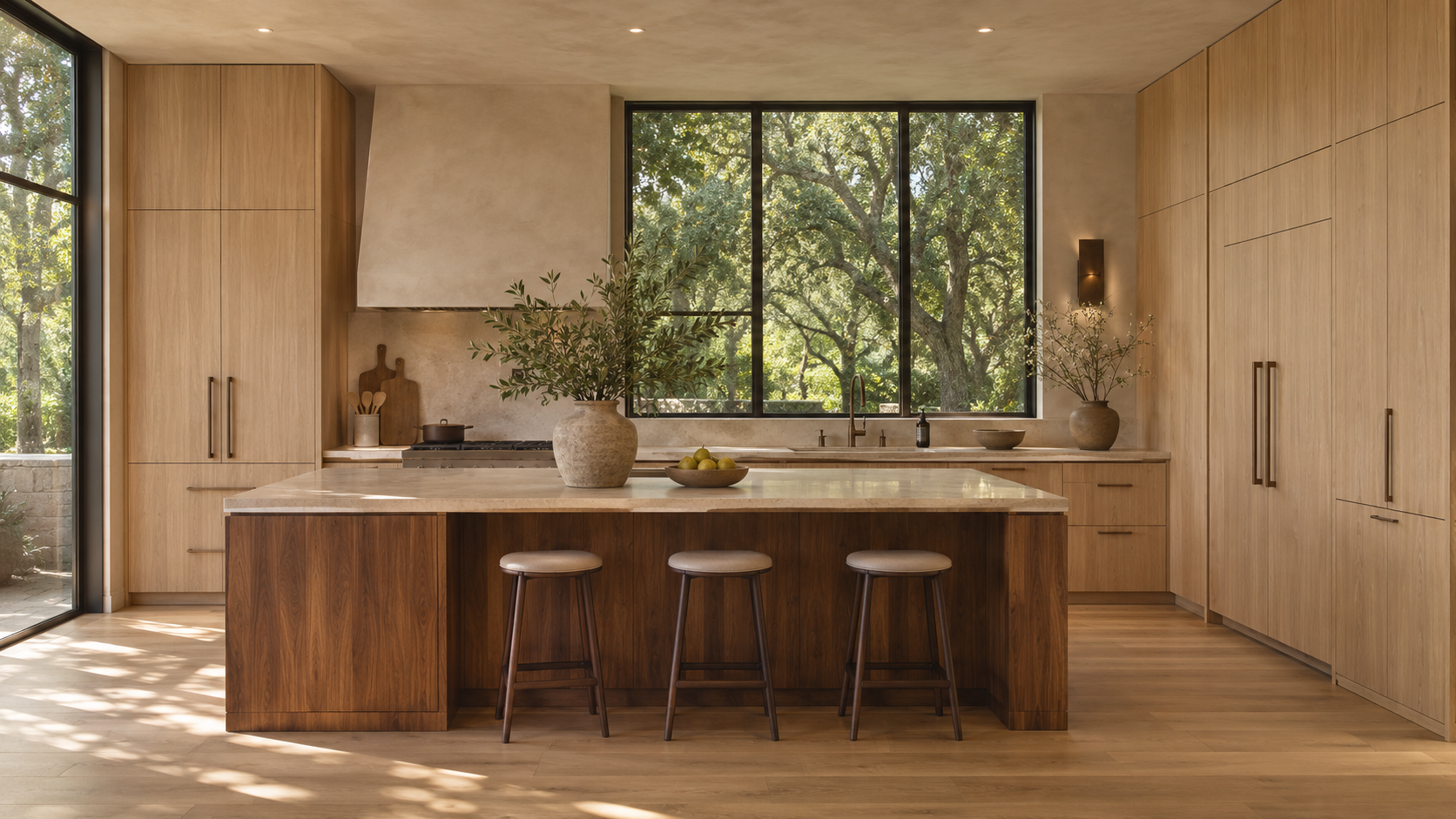
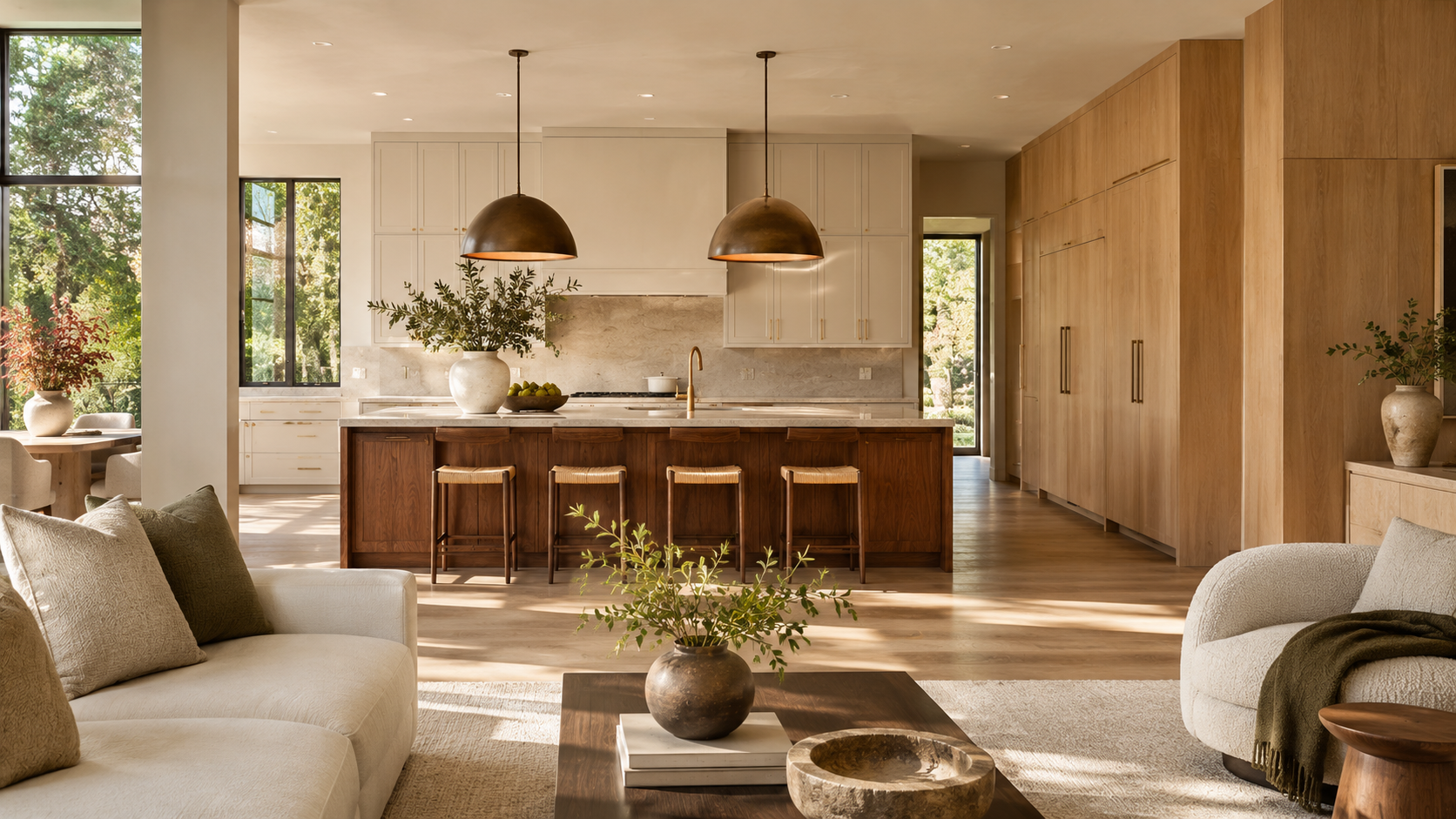
A contemporary residence may benefit from simple slab cabinetry, integrated appliances, and continuous natural wood surfaces.
A traditional home might call for refined inset cabinetry, carefully proportioned moldings, and more detailed door profiles.
Neither approach is inherently more timeless.
What matters is whether the cabinetry feels appropriate for the surrounding space.
When the kitchen responds to ceiling heights, window placement, architectural openings, and adjacent rooms, it becomes part of the home rather than a separate design statement.
This relationship can help the interior remain cohesive even as broader design preferences change.
Cabinetry Proportions Matter More Than Popular Styles
A kitchen can feature expensive materials and fashionable finishes yet still feel unbalanced if the cabinetry proportions are poorly considered.
Cabinet door widths, drawer heights, island dimensions, and the relationship between upper and lower cabinetry all influence the finished appearance.
Well-proportioned cabinetry creates visual order without requiring excessive decoration.
For example, a continuous wall of rift-cut white oak cabinetry with carefully aligned doors and integrated appliances can feel refined because of its proportions and detailing.
The same material may appear less cohesive when cabinet widths, reveals, and panel arrangements lack consistency.
These relationships are particularly important because cabinetry dimensions are difficult to change once installed.
A timeless kitchen depends on architectural decisions that remain relevant even when colors and decorative preferences evolve.
Choose Materials for Their Character, Not Their Popularity
Material selection plays a significant role in whether a kitchen feels lasting or closely associated with a particular trend.
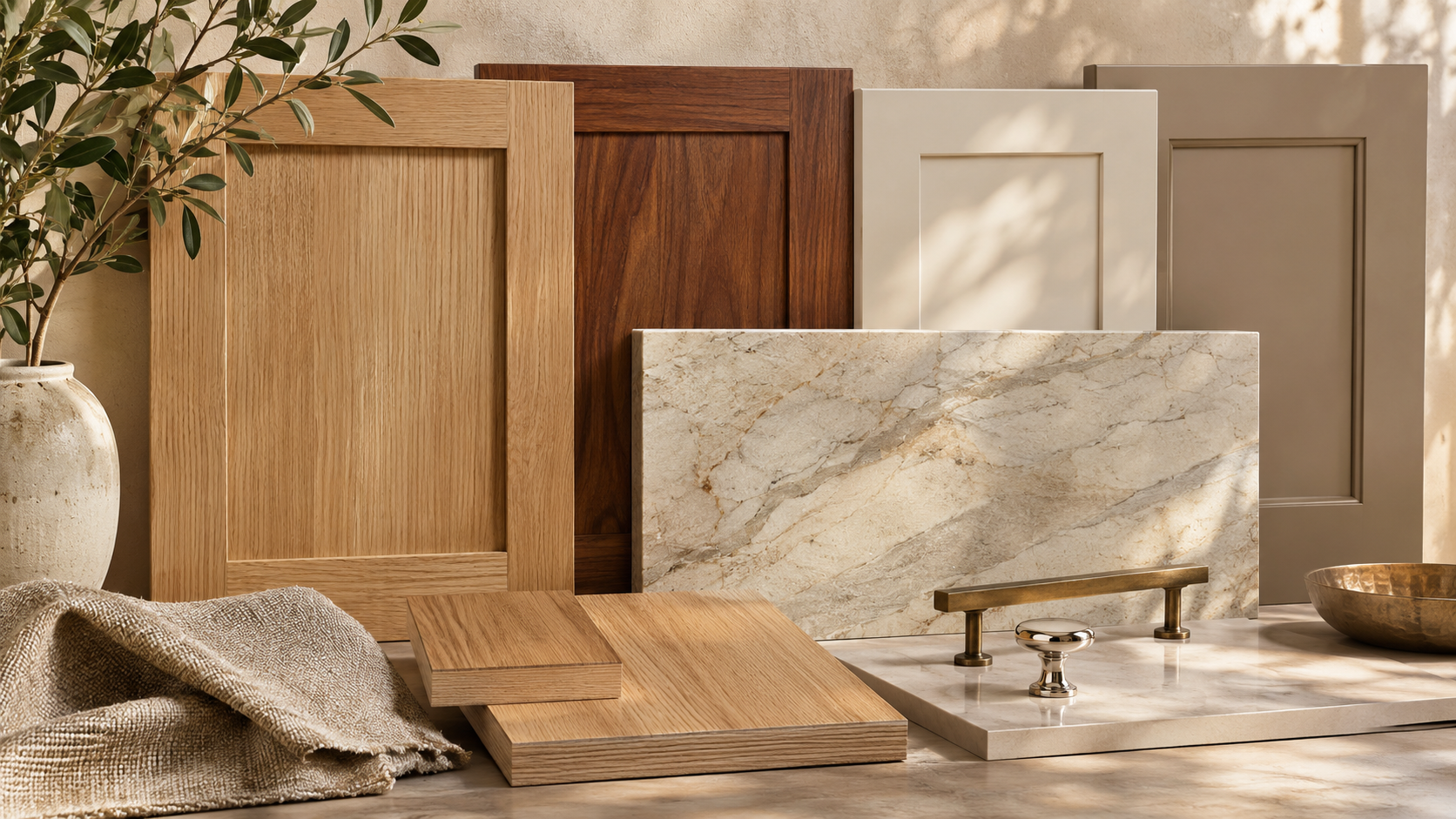
Natural woods such as white oak and walnut offer texture, grain, and individual variation. Stone surfaces introduce movement and character that can complement a wide range of cabinetry styles.
However, no material is automatically timeless.
White oak can look highly contemporary or traditional depending on its grain selection, stain, door style, and surrounding finishes.
Similarly, marble or quartzite can create very different impressions depending on the slab, edge profile, and how extensively it is used.
The objective is to select materials because they complement the architecture and intended atmosphere.
Maintenance requirements should also influence the decision. Natural stone varies in porosity and resistance to staining or etching, while wood finishes require appropriate care.
A material that looks beautiful but does not suit the household's lifestyle may not be the best long-term choice.
Avoid Building the Entire Palette Around One Trend
One of the clearest differences between a trend-driven kitchen and a timeless kitchen is how the color palette is developed.
A trend-driven approach may begin with a popular cabinet color and build the entire room around it.
A more enduring approach considers the relationship between cabinetry, flooring, countertops, walls, and natural light.
Warm whites, natural wood, soft taupes, deep browns, and muted colors can all contribute to a timeless interior when their undertones work together.
This does not mean bold colors should be avoided.
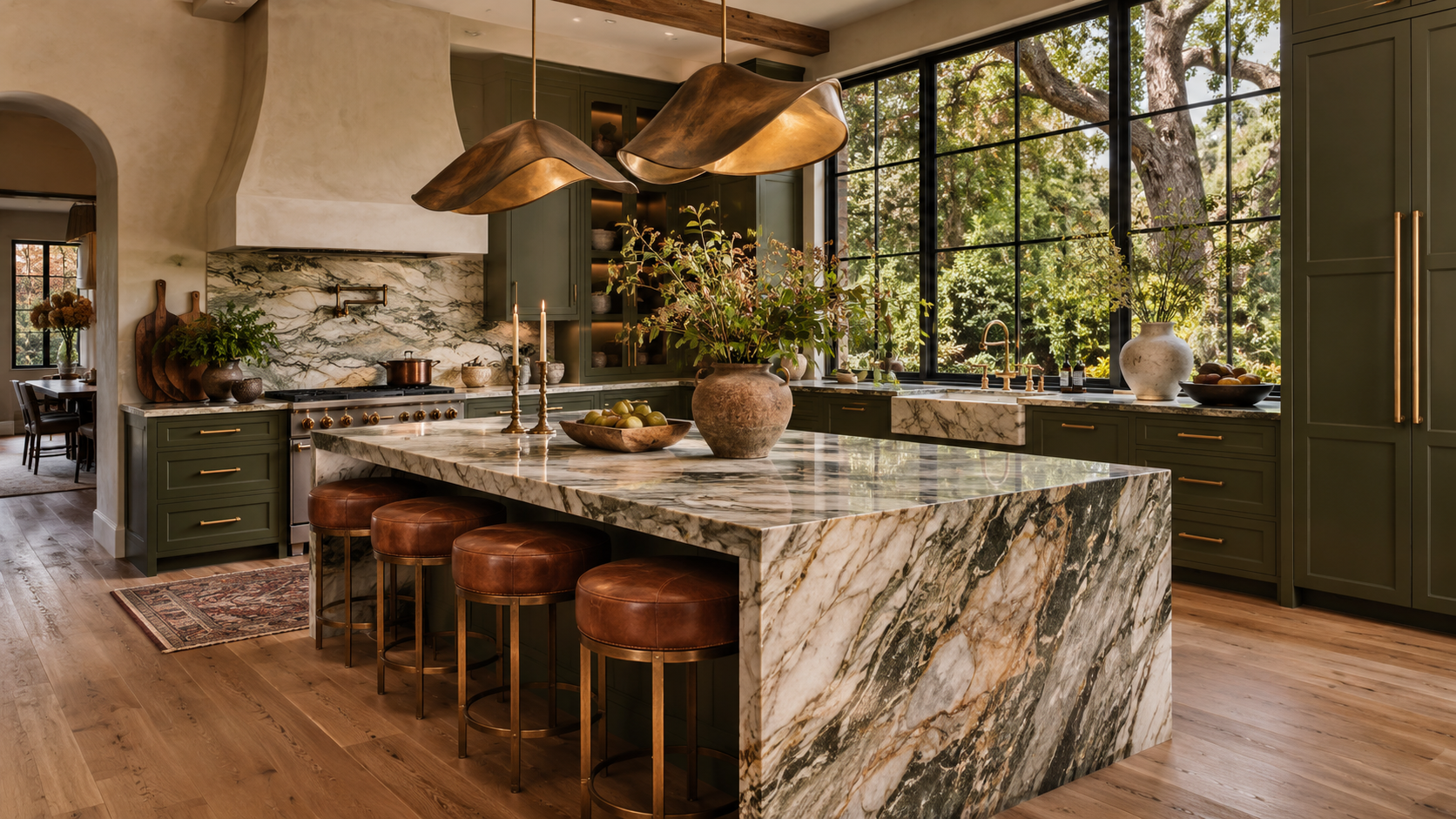
A deep green island or charcoal cabinetry wall can remain beautiful for years when it feels connected to the surrounding materials.
The important consideration is whether the palette has a clear visual hierarchy rather than relying on several competing statement finishes.
Timeless Does Not Mean Everything Must Be Neutral
Neutral kitchens are often associated with timeless design, but an entirely neutral palette is not a requirement.
A kitchen can feature dark walnut cabinetry, rich green painted cabinets, or distinctive natural stone and still feel appropriate for decades.
The difference lies in how these elements are used.
A strong cabinet color may work particularly well when it relates to the home's architectural character or surrounding materials.
For example, deep green cabinetry can complement natural walnut, creamy stone, and warm plaster without feeling overly decorative.
The goal is to create a personal interior rather than reproduce a specific design trend.
When color is selected intentionally, it becomes part of the home's character instead of a temporary statement.
Details and Craftsmanship Influence Longevity
Cabinetry construction and finishing quality are important considerations in a kitchen intended to last.
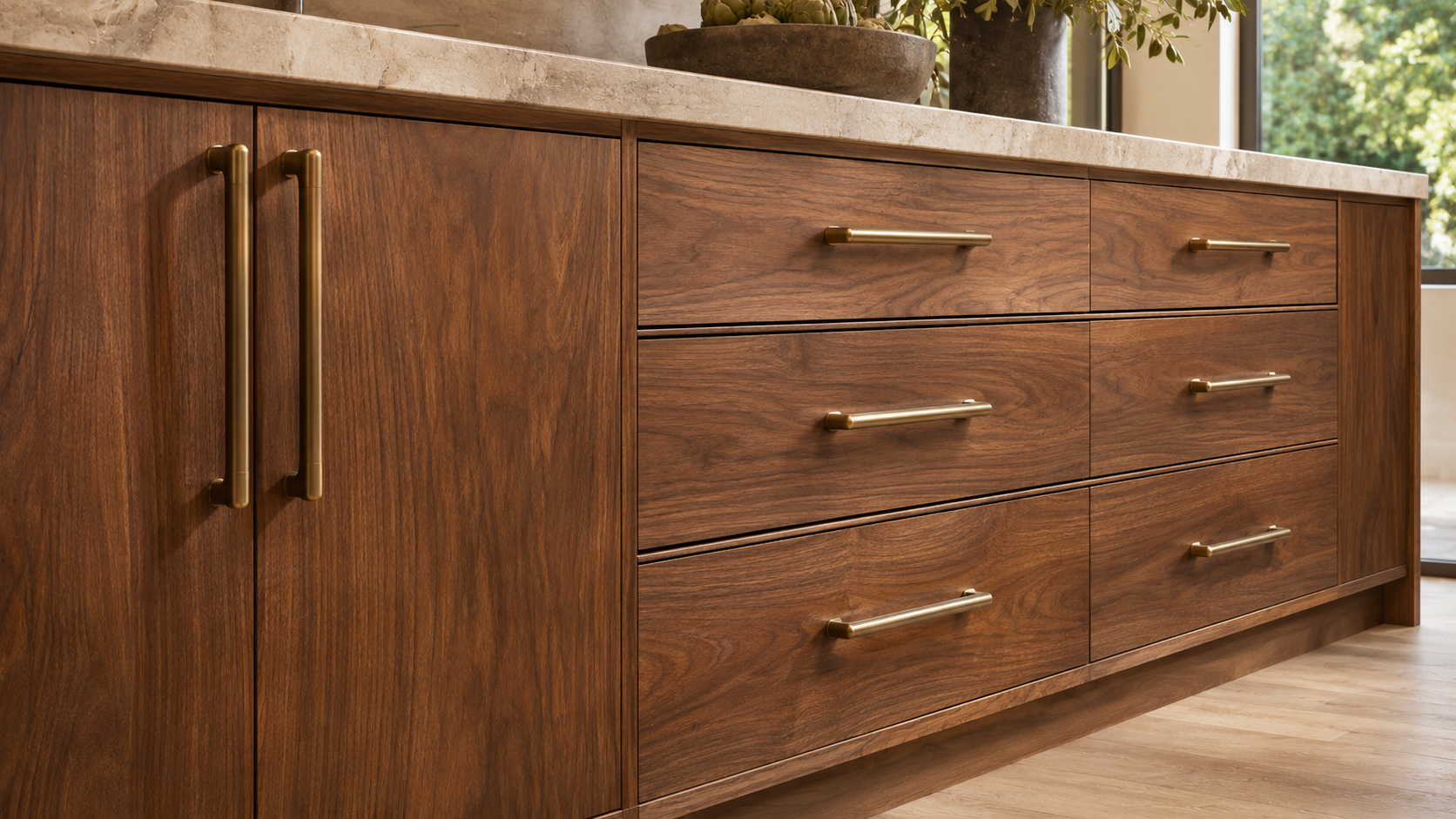
Consistent door reveals, carefully aligned drawer fronts, durable hardware, and appropriate finishing systems contribute to both appearance and daily performance.
These details may be less immediately noticeable than a dramatic countertop or decorative light fixture, but they have a lasting influence on how the kitchen functions.
A well-designed drawer should operate smoothly, and cabinet doors should be appropriately supported and aligned.
Painted and stained finishes should also be selected with an understanding of their maintenance requirements.
Even premium cabinetry can experience wear, but thoughtful construction and proper care can help preserve its appearance and function.
Functionality Is Part of Timeless Design
A kitchen may look beautiful when completed, but its long-term success depends on how comfortably it supports everyday life.
Storage requirements, appliance placement, work surfaces, and circulation should be considered before finalizing cabinetry.
Deep drawers for cookware, accessible pantry storage, integrated waste systems, and thoughtfully planned appliance locations can improve daily functionality.
These decisions are less likely to become outdated because they respond to practical needs rather than visual trends.
However, functionality should be personalized.
A household that cooks frequently may prioritize generous preparation space and accessible cookware storage. Another may place greater importance on entertaining, beverage storage, or concealed small appliances.
The most useful features are those selected for the people who will actually use the kitchen.
Incorporate Trends Through Elements That Can Evolve
Timeless design does not require ignoring current ideas.
Instead, it can be helpful to distinguish between permanent architectural investments and elements that can be changed more easily.
Cabinetry construction, layout, appliance integration, and major stone installations generally represent substantial long-term commitments.
Decorative lighting, stools, artwork, and accessories can often be updated with less disruption.
Hardware may also be replaceable, although hole spacing, finish compatibility, and installation details should be considered before assuming it can be changed easily.
This approach allows a kitchen to evolve without requiring a complete renovation.
A timeless foundation can support changing preferences while preserving the quality of the original design.
Consider How the Kitchen Connects to the Rest of the Home
A kitchen that feels disconnected from adjacent rooms may become visually dated even when its individual materials are beautiful.
In open-plan residences, cabinetry finishes often remain visible from dining and living spaces.
Natural wood cabinetry might relate to architectural paneling, furniture, or built-ins elsewhere in the home.
Painted cabinetry can coordinate with wall colors, trim, and other interior finishes without requiring an exact match.
This relationship becomes especially important in larger homes where cabinetry is used across kitchens, bathrooms, offices, and living areas.
A consistent material direction can create continuity while allowing each room to maintain its own identity.
How Can You Tell if a Kitchen Design Will Feel Timeless?
A useful starting point is to consider whether the design would still feel appropriate without its most fashionable details.
Would the cabinetry proportions remain balanced? Would the materials still complement the architecture? Would the storage and layout continue to support everyday routines?
A timeless kitchen should have a strong foundation independent of decorative trends.
This does not mean every decision must be conservative. Distinctive colors, expressive stone, and personalized details can create lasting character when used with intention.
The most important consideration is whether the kitchen feels connected to the home and the people living in it.
A trend-driven kitchen is often designed to make an immediate impression. A timeless kitchen is designed to remain beautiful, functional, and relevant long after that first impression.
Explore Timeless Kitchen Cabinetry With Atelier Design Society
Atelier Design Society works with homeowners, architects, interior designers, builders, and other design professionals selecting premium cabinetry for Bay Area homes. At the Atelier Design Society showroom in Menlo Park, project teams can compare natural wood cabinetry, painted finishes, door styles, construction details, hardware, and surfaces while developing a kitchen that reflects the home's architecture and long-term design goals.
