What Should You Bring to Your First Cabinet Showroom Appointment?
Your first cabinet showroom appointment should help turn ideas into decisions. You do not need to arrive with every detail finalized, but bringing the right information makes it easier to discuss cabinetry styles, materials, storage, layout, and the overall direction of your project.
For homeowners, interior designers, architects, and builders visiting a cabinetry showroom, a little preparation can make the appointment considerably more productive. Here is what is worth bringing, what can wait, and what you should expect to accomplish during that first visit.
Do You Need Finished Plans Before Visiting a Cabinet Showroom?
No. In fact, visiting before every design decision is finalized can be useful.
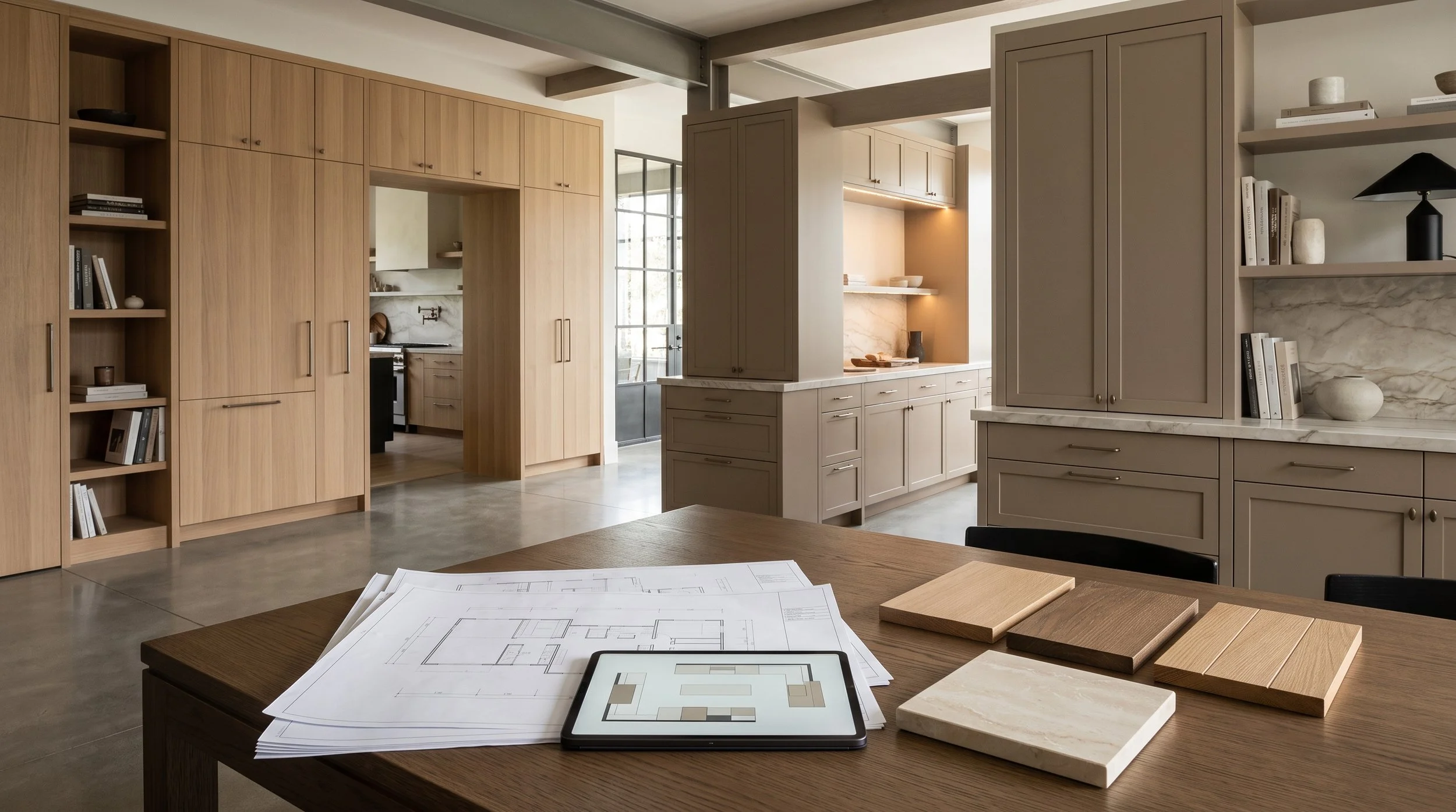
If architectural plans, floor plans, elevations, or preliminary dimensions are available, bring them. They provide context for the size of the room, ceiling heights, windows, doors, appliances, and other conditions that may influence cabinetry.
For projects still in the early stages, even preliminary information can help guide the conversation. The first appointment can be used to understand cabinetry possibilities before specifications are locked.
Bring Photos of the Existing Space
For a remodel, current photographs provide useful context that drawings may not capture.
Take wide photos showing the entire room, then include important architectural conditions such as windows, doorways, ceiling transitions, flooring, and connections to surrounding spaces. If there is something about the existing kitchen that does not work, photograph that too.
These images can help explain why the project is happening in the first place. Limited pantry storage, awkward appliance placement, poor circulation, or an oversized island may influence the cabinetry conversation just as much as the desired aesthetic.
Bring Your Plans and Basic Measurements
If you have professional architectural or interior design drawings, bring the most current version available. If you do not have plans yet, basic room dimensions can still provide helpful context.
You do not need to produce fabrication-level measurements yourself. Accurate field verification and technical dimensions belong later in the process. For an initial appointment, the objective is simply to understand the approximate scale and conditions of the project.
Knowing whether you are planning one kitchen, a kitchen plus pantry, or cabinetry throughout an entire residence is also useful because it changes how the project should be approached.
Bring Inspiration, but Keep It Focused
Saved photographs can communicate preferences quickly, especially when it is difficult to describe exactly what you like.
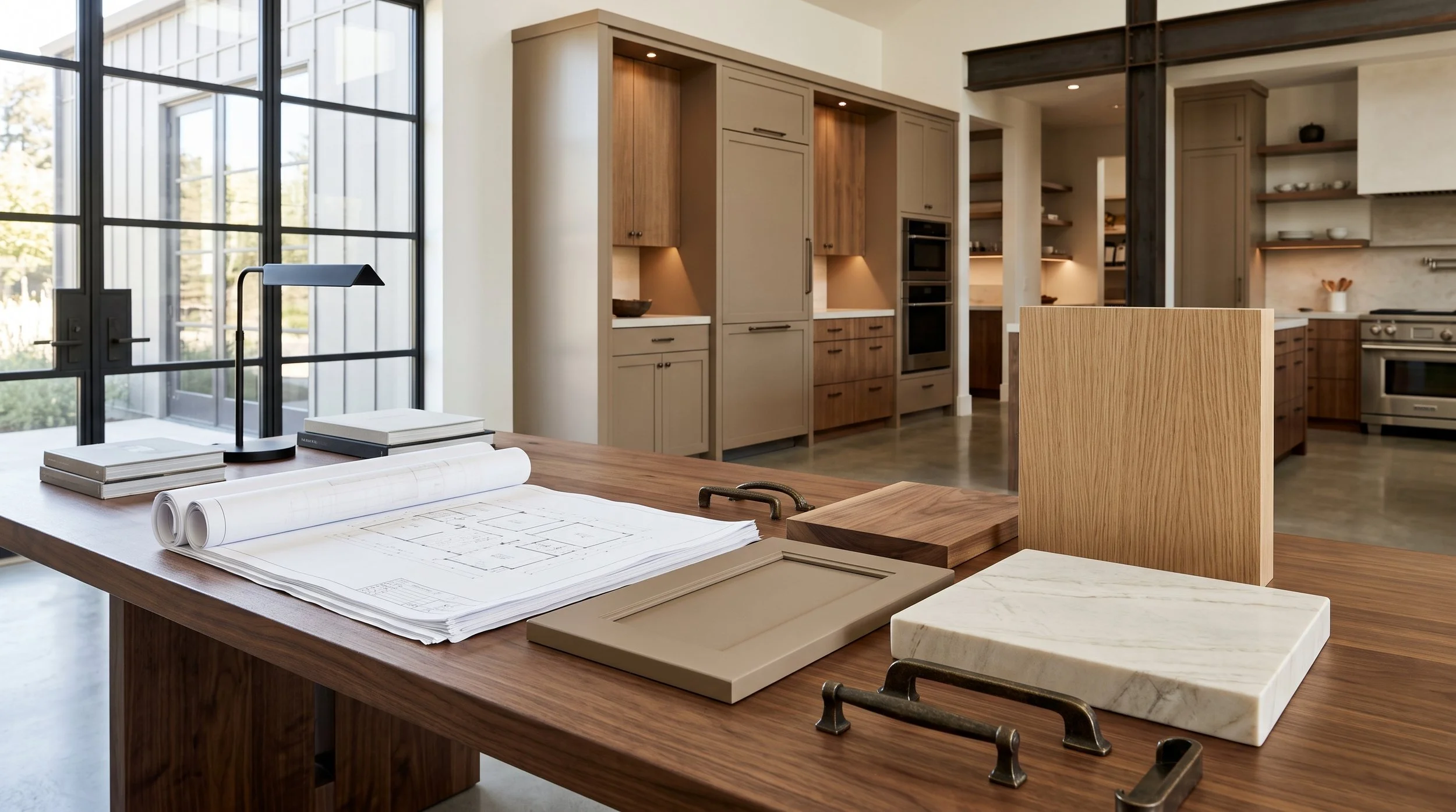
Bring a small collection of interiors that represent the direction you are considering. They might show a particular wood tone, door style, cabinet proportion, stone relationship, or overall feeling.
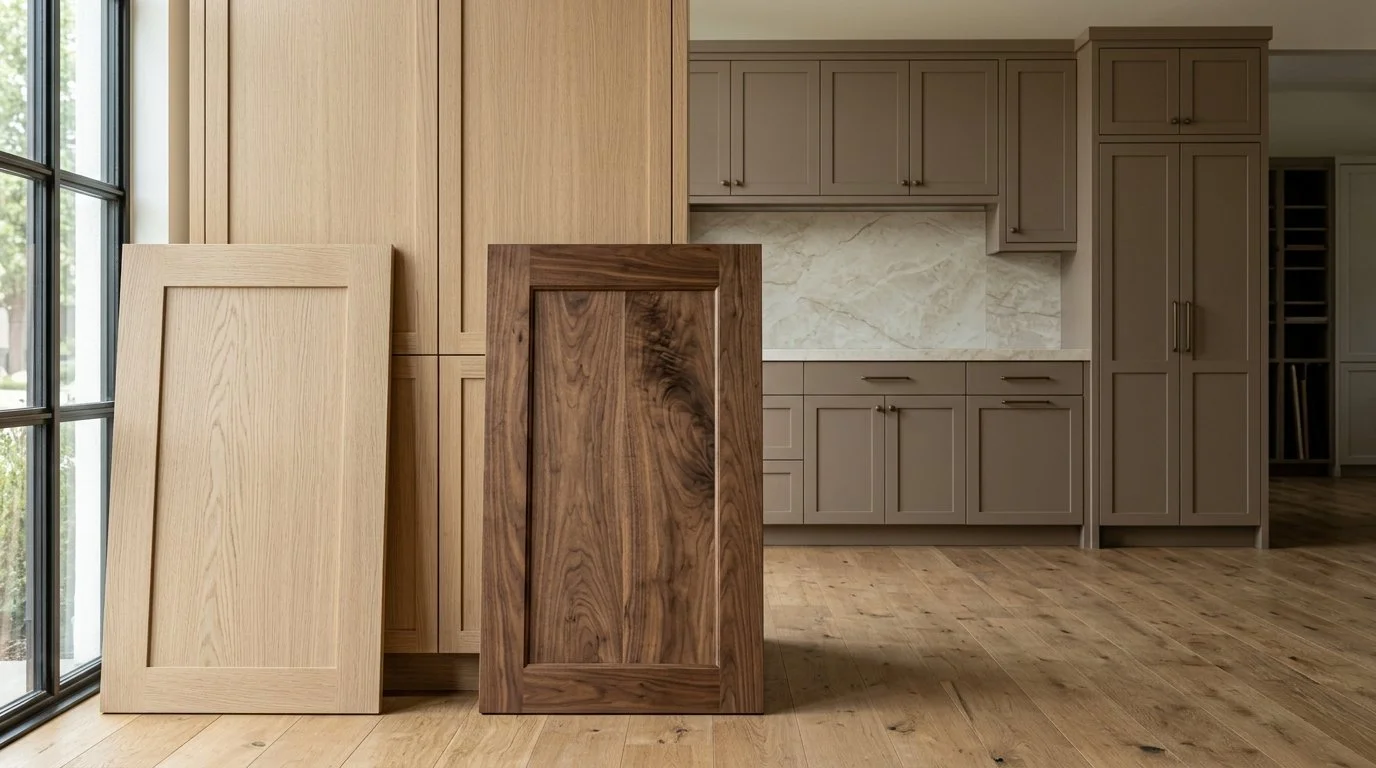
It can be equally useful to identify what you like about each image. Perhaps it is the warmth of the walnut rather than the entire kitchen, or the simplicity of the cabinetry rather than the color.
The showroom appointment can then translate that inspiration into physical materials and cabinetry options appropriate for your actual home.
Know Which Appliances You Are Considering
If appliances have already been selected, bring the specifications or model information. Cabinet dimensions can be directly affected by refrigeration, ranges, wall ovens, dishwashers, ventilation, wine storage, and other built-in appliances.
If appliances have not been selected yet, that is fine. Be prepared to discuss the general direction, particularly whether you are considering panel-ready appliances or visible stainless finishes.
The important thing is to avoid treating appliances and cabinetry as completely separate decisions.
Think About What You Need to Store
You do not need a complete inventory, but consider the storage problems you want the new cabinetry to solve.
In a kitchen, this might include pantry goods, cookware, small appliances, serving pieces, recycling, or beverage storage. If you are discussing whole-home cabinetry, think about what needs to be accommodated in bathrooms, wardrobes, offices, bars, laundry rooms, or media spaces.
This information helps move the conversation beyond exterior appearance. Cabinet interiors, drawer configurations, tall storage, and specialized solutions can then be considered around how the rooms will actually function.
Bring Samples of Materials That Are Staying
For a remodel, some finishes may remain. Existing flooring is one of the most important examples.
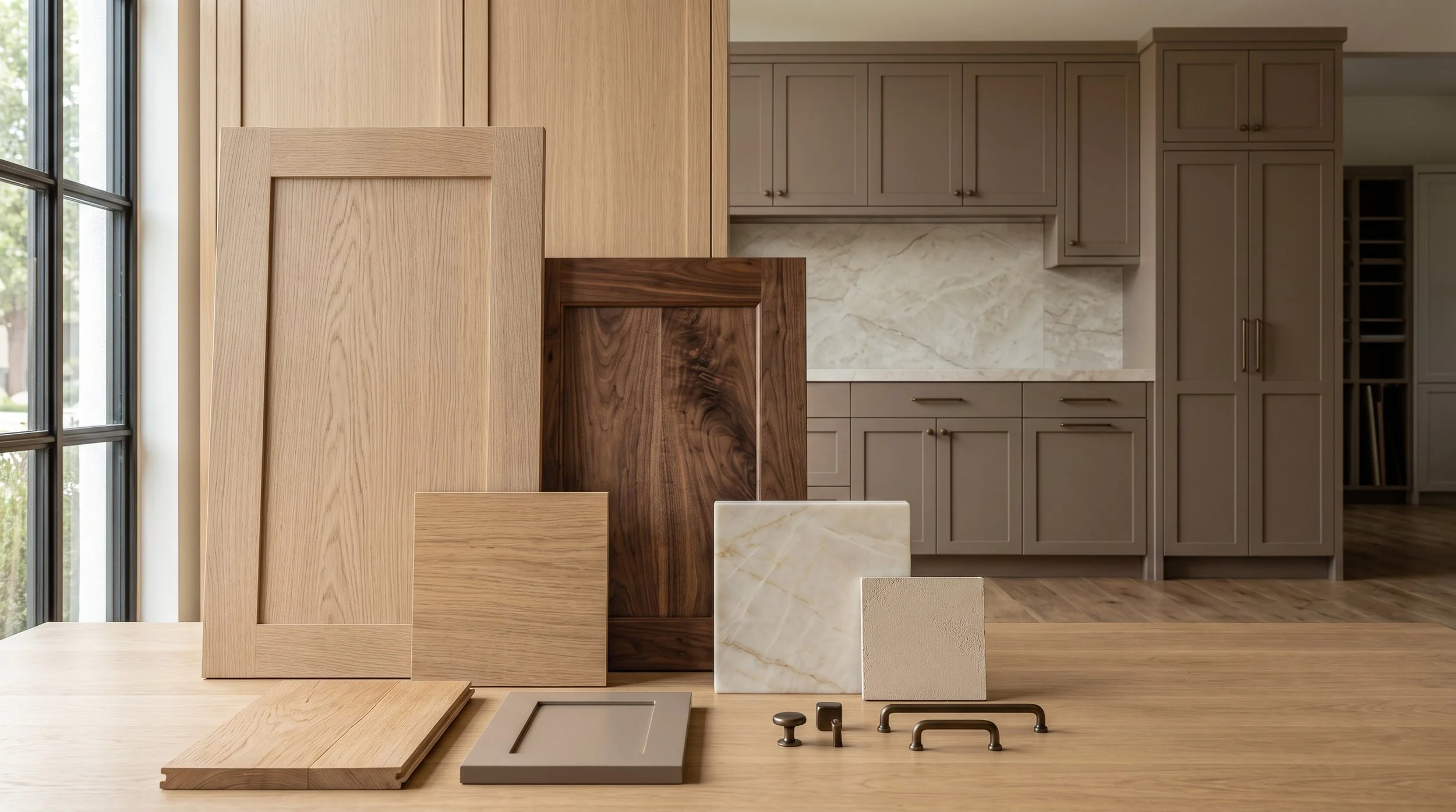
If you have an extra flooring piece, stone sample, paint reference, or another material that needs to coordinate with the new cabinetry, bring it when practical. Physical samples make it easier to compare undertones, grain, texture, and finish.
A photograph can provide context, but it cannot always represent color accurately. When an existing material will have a major influence on the new cabinetry, seeing it physically can be valuable.
Should You Bring a Budget?
You do not need every project cost determined, but having a realistic cabinetry budget or range can make the conversation more useful.
Premium cabinetry can vary significantly depending on construction, customization, materials, finishes, interiors, and the number of rooms involved. Understanding the general investment range helps narrow the options to cabinetry solutions appropriate for the project.
It is also helpful to discuss scope. A kitchen-only project is very different from specifying cabinetry for a kitchen, pantry, bathrooms, wardrobes, office, bar, and other areas simultaneously.
What Should You Leave With After the First Appointment?
The first visit does not need to end with every cabinet specified. A productive appointment should create direction.
You should have a clearer understanding of which cabinetry options fit the project, which materials deserve further exploration, where customization may be useful, and what information is still needed before the design can advance.
You may also identify decisions that need to happen next, such as confirming appliances, refining plans, reviewing additional finish samples, or coordinating with the architect, designer, or builder.
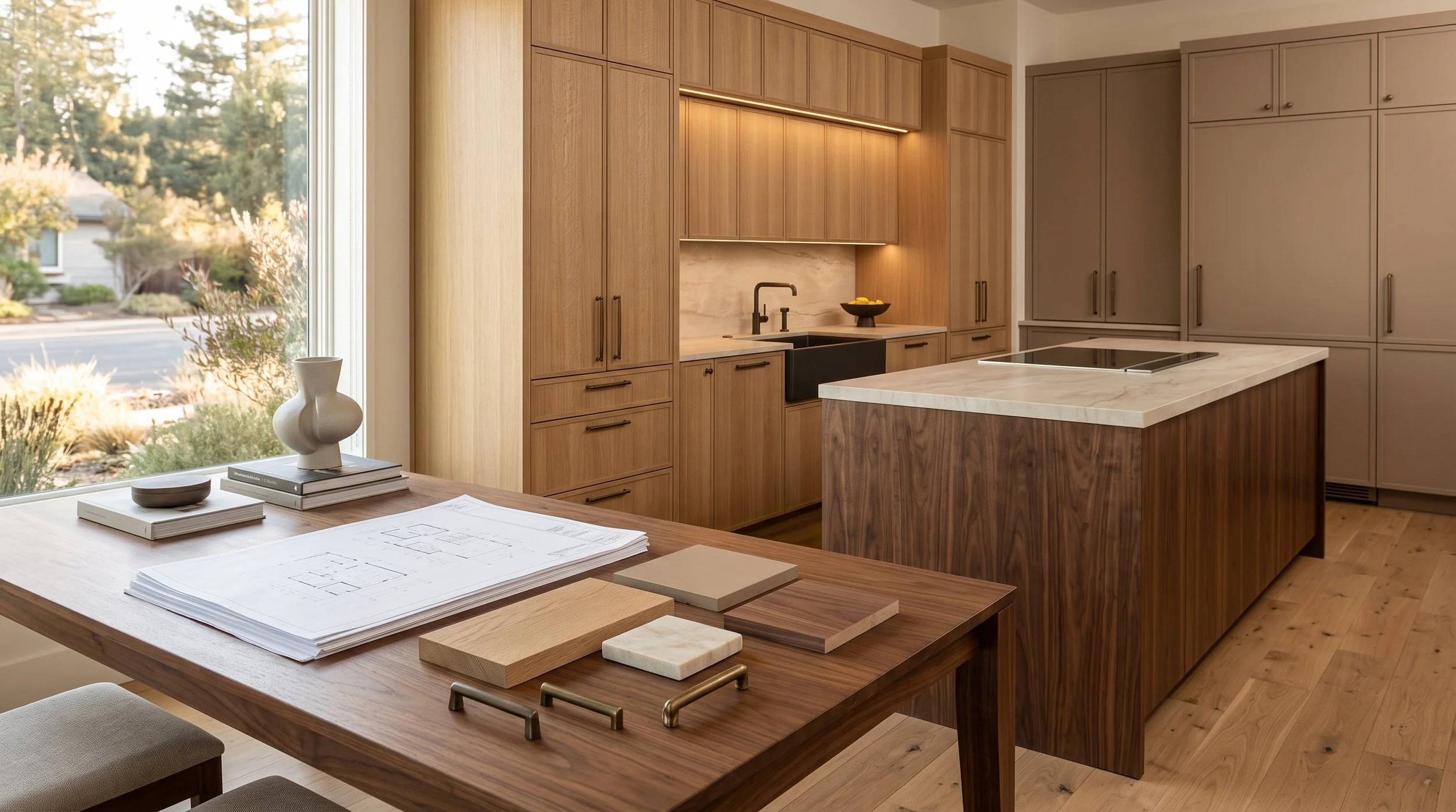
What Should You Bring to Your Cabinet Showroom Appointment?
For your first visit, focus on the information that helps explain the home and the project:
Current architectural or interior plans, if available
Basic room dimensions if plans are not available
Photos of the existing space
A focused collection of inspiration images
Appliance information, if already selected
Samples of existing materials that will remain
An idea of the rooms included in the cabinetry scope
Your main storage and functional priorities
A general cabinetry budget or investment range
You do not need everything finalized. The purpose of the first appointment is to explore cabinetry at full scale, compare materials physically, discuss the project, and determine what should happen next.
Prepare for Your Visit to Atelier Design Society
Atelier Design Society works with homeowners, architects, interior designers, builders, and other design professionals planning premium cabinetry throughout the Bay Area. At the Atelier Design Society showroom in Menlo Park, project teams can compare cabinetry collections, construction, natural woods, painted finishes, hardware, interiors, storage solutions, surfaces, and full-scale installations while developing a direction for the project.
Bring what you already have. The remaining decisions can develop from there.