The New Luxury: Why Personalization Matters More Than Trends
Luxury in residential design is becoming less about creating a recognizable “luxury look” and more about creating a home that feels specific to the people who live there.
That shift changes the way designers approach cabinetry, materials, storage, and architectural details. Instead of asking which cabinet color, stone, or hardware is currently popular, the better question is whether those decisions make sense for the home, its architecture, and the way it will actually be used.
Personalization does not require making every element unusual. Often, it means making a smaller number of decisions more deliberately. A cabinet finish selected for the natural light. Storage designed around daily routines. A stone chosen because its movement belongs in the architecture. Details that feel appropriate years after a particular trend has moved on.
Why Are Trends Less Important in a Custom Home?
Trends can be useful. They introduce new materials, colors, construction ideas, and ways of thinking about space. The problem comes when they become the primary reason for a permanent decision.
Cabinetry, countertops, flooring, and built-ins are long-term elements. Replacing them requires considerably more effort than changing furniture, art, or accessories. For those decisions, longevity should carry more weight than immediate popularity.
A material can be current and still be an excellent choice. The important distinction is whether it was selected because it supports the project or simply because it is everywhere at the moment.
What Does Personalization Actually Look Like?
Personalization can be highly visible, but it can also be almost invisible.
It might mean:
Cabinetry proportioned specifically for the architecture
A kitchen layout based on the household’s cooking habits
A dedicated coffee or beverage cabinet
Storage designed around specific cookware or appliances
A furniture-like bathroom vanity
A wardrobe planned around the clothing being stored
A home bar developed for the way the homeowners entertain
Materials selected around the home’s natural light and existing architecture
These decisions make the home feel individual without requiring unnecessary decoration.
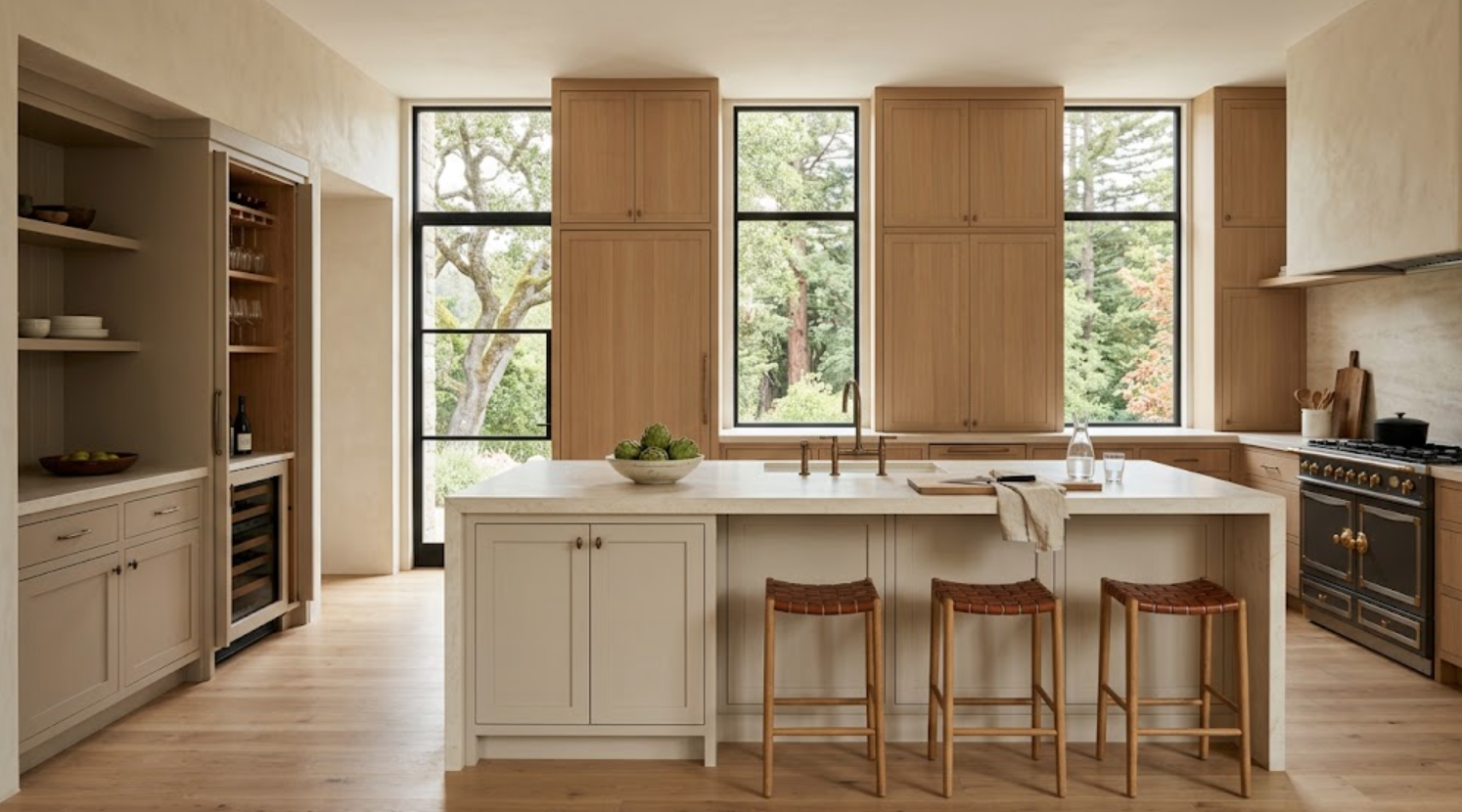
Why Is Cabinetry One of the Best Opportunities for Personalization?
Cabinetry combines architecture, storage, materials, and daily function. That makes it one of the most effective places to customize a home.
The personalization can begin with the exterior. Wood species, painted finish, door style, hardware, grain direction, and proportions determine how the cabinetry contributes to the room. Inside, the design can respond much more specifically to use.
Deep drawers can be positioned near cooking zones. Small appliances can disappear behind doors. Pantry storage can reflect the household’s actual needs. Charging, recycling, glassware, linens, and serving pieces can all be given intentional locations.
The luxury is not simply having more cabinetry. It is having cabinetry that works specifically for the household.
Should Every Custom Home Look Unique?
A personalized home does not need to look unconventional.
White oak cabinetry can still feel highly personal even though white oak is widely used. What matters is how it is specified. The exact finish, grain, door proportions, surrounding stone, hardware, layout, and architectural integration can create a completely different result from another white oak kitchen.
The same applies to walnut, painted cabinetry, quartzite, marble, or other familiar materials. Individuality comes from composition and application, not from searching for the rarest possible finish.
How Should Designers Approach Popular Materials?
Instead of rejecting a material because it is trending, evaluate it without the trend attached.
Ask:
Does it belong with the architecture?
Does the client genuinely respond to it?
Does it work with the natural light?
Is its performance appropriate for the application?
Can it coordinate with the rest of the home?
Would the material still make sense if it disappeared from social media tomorrow?
If the answer remains yes, popularity is not a reason to avoid it.
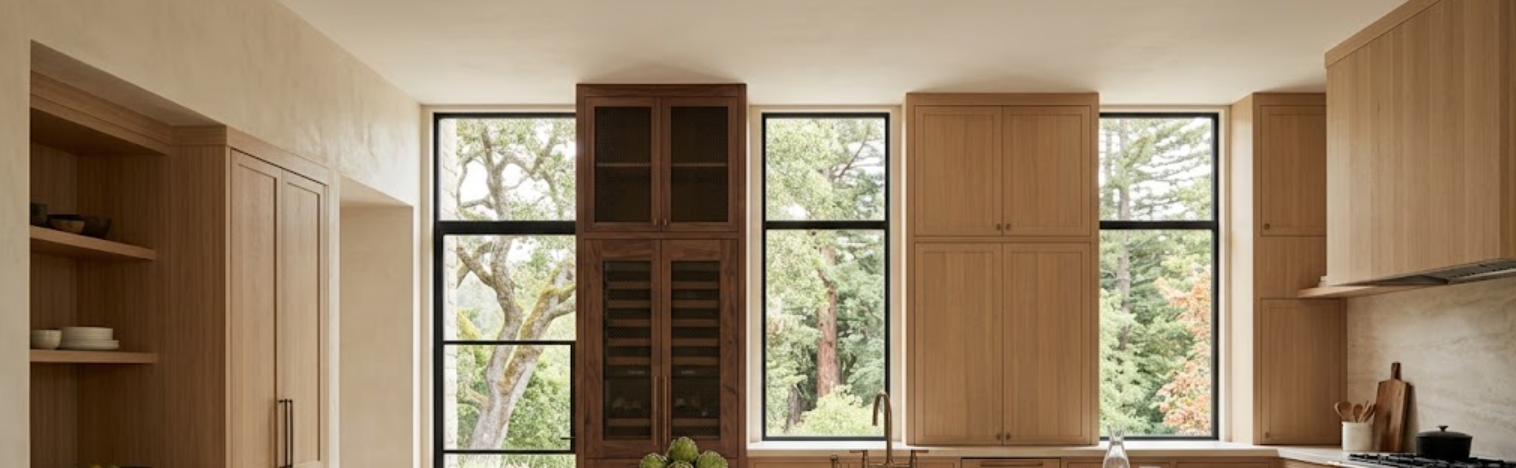
Why Should Lifestyle Influence the Design?
Two homeowners can have kitchens of identical size and need completely different cabinetry.
Someone who cooks frequently may prioritize accessible cookware, prep space, and pantry organization. Someone who entertains may need beverage storage, serving pieces, and a secondary cleanup area. Another household may want a concealed coffee station that can remain open throughout the morning and disappear afterward.
The same principle extends beyond the kitchen. Wardrobes, bathrooms, home offices, bars, laundry rooms, and media spaces should respond to actual routines rather than generic assumptions.
When function becomes personal, the home begins to feel personal too.
How Can Materials Reflect Personality Without Becoming Trendy?
Material selection offers another opportunity for individuality.
Some clients prefer quiet natural palettes built around pale oak, creamy stone, and plaster. Others may respond to rich walnut, darker stone, or muted painted cabinetry. A dramatic natural slab may become meaningful in one home, while another may feel more appropriate with restrained surfaces and stronger wood grain.
The goal is not to create something that photographs differently from every other project. It is to find a material language that feels appropriate for the client and the architecture.
Why Does Restraint Make Personalization Stronger?
Personalization becomes less effective when every element is trying to be unique.
A custom hood, dramatic island, patterned stone, unusual hardware, bold cabinetry, decorative ceiling, and statement lighting can quickly compete. Individual details lose importance when everything is treated as a feature.
Instead, designers can identify a few places where customization will have the greatest impact. Perhaps the stone is extraordinary, so the cabinetry becomes quieter. Perhaps a walnut bar receives richer detailing while the kitchen remains restrained.
Personalization benefits from hierarchy.
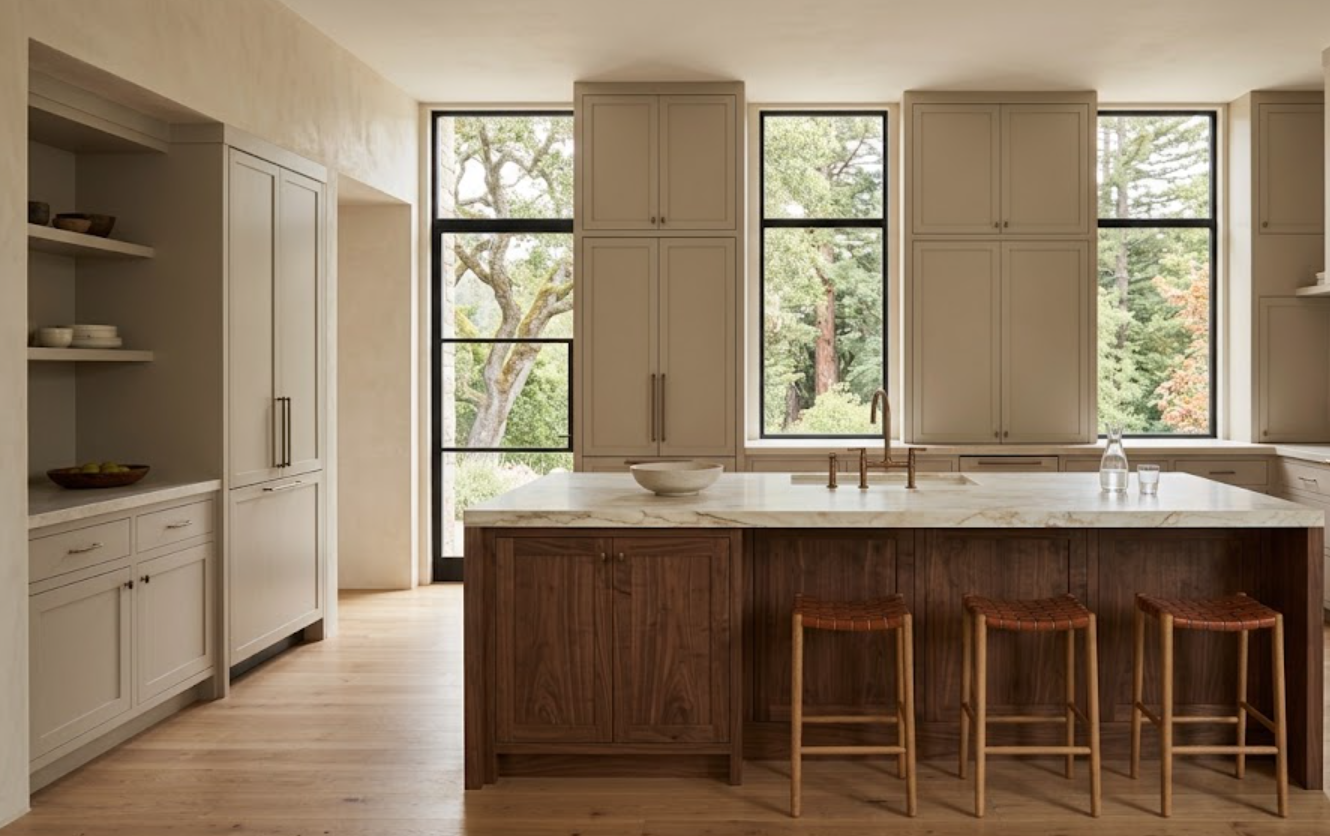
What Role Does Craftsmanship Play?
Personalization becomes more convincing when the details are executed precisely.
Grain alignment, door proportions, cabinet reveals, edge profiles, hardware placement, integrated lighting, and material transitions may not be the first things someone notices, but they influence how resolved the room feels.
These details are especially important in restrained interiors. When there is less decoration, the quality of the cabinetry and materials becomes more visible.
Custom does not need to mean ornate. Precision itself can become the luxury.
Can Different Rooms Express Different Sides of the Home?
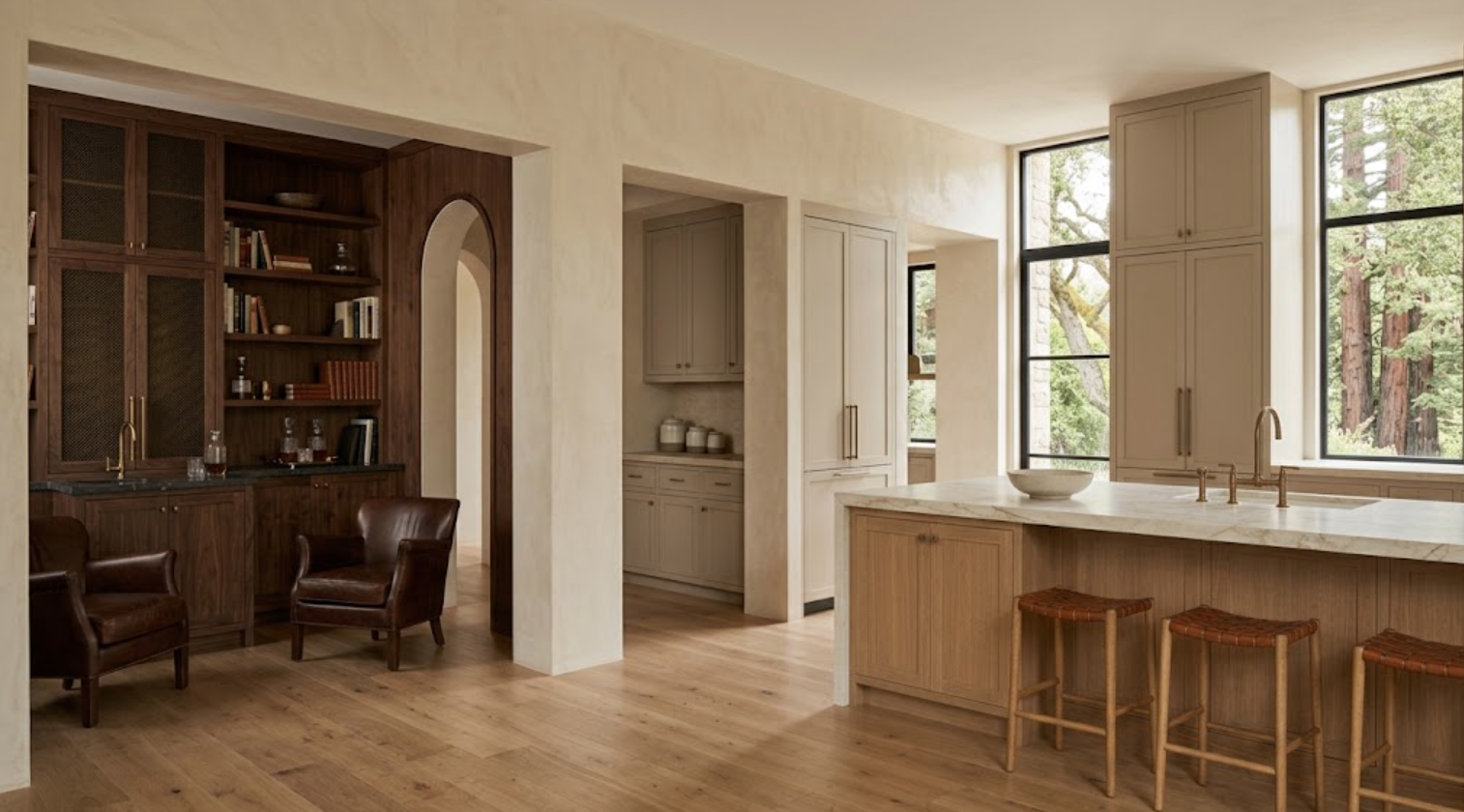
Yes. Personalization becomes more interesting when every room is not forced into the same finish.
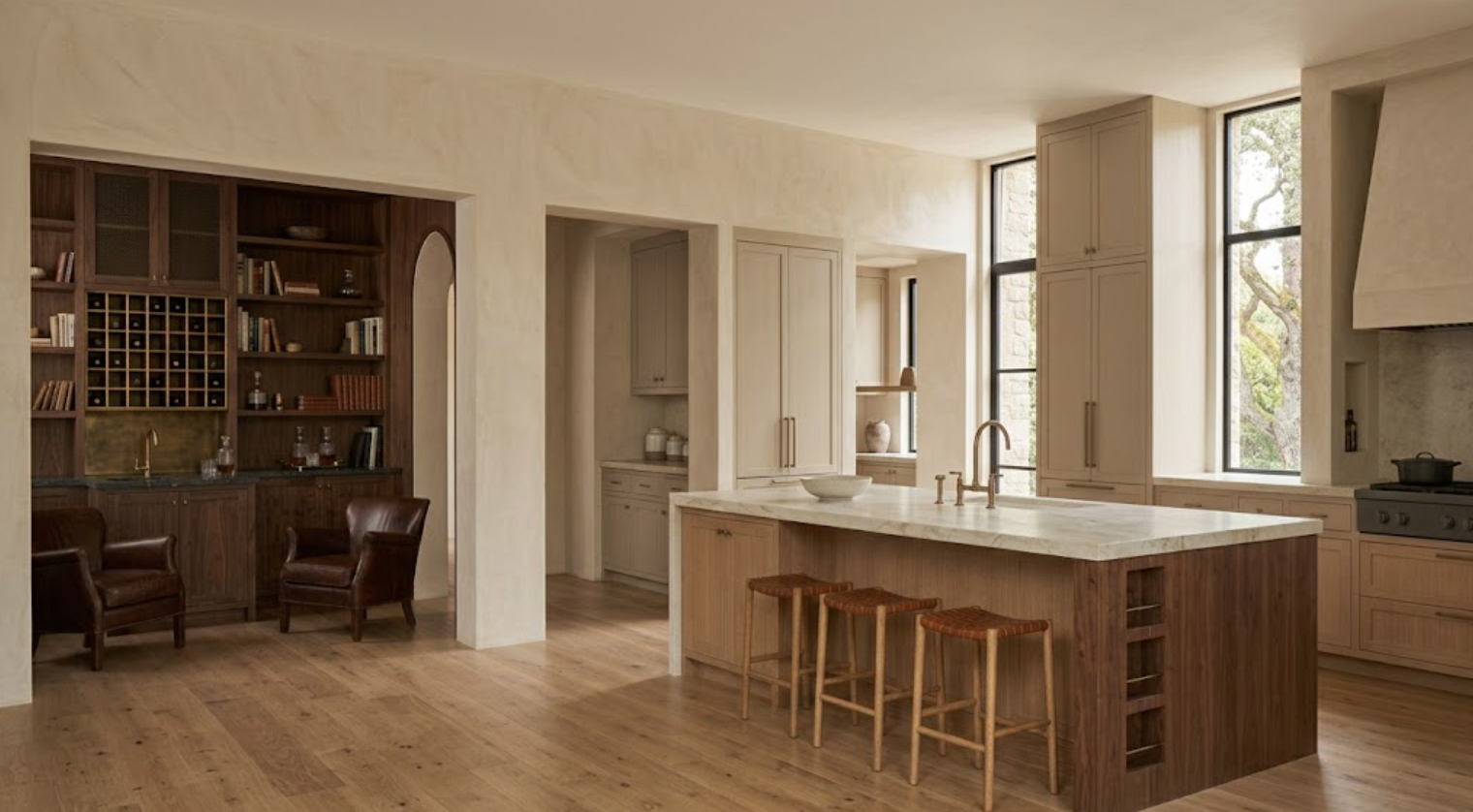
A light white oak kitchen can connect to a deeper walnut bar. A primary bathroom may introduce warm painted cabinetry. A library can become darker and more intimate. A wardrobe can prioritize tactile materials and specialized storage.
The connection can come through hardware, proportions, stone temperature, wood undertones, or architectural detailing.
This creates continuity without turning the residence into a matching set.
How Does Personalization Support Longevity?
A home designed around real preferences and routines has less reason to change simply because a new aesthetic becomes popular.
That does not guarantee that tastes will never evolve. They will. But cabinetry that functions well, materials that genuinely appeal to the homeowner, and details rooted in the architecture have stronger reasons to remain than choices made primarily to reproduce a current look.
This is especially valuable for permanent elements, where thoughtful decisions can remain relevant through multiple cycles of design trends.
Where Should You Invest in Personalization?
Focus first on the decisions that affect everyday experience and are difficult to change later.
Cabinetry layout, storage, material selection, appliance integration, stone placement, lighting, and major architectural details deserve early attention. Smaller decorative elements can evolve over time.
This approach also keeps personalization practical. Instead of customizing everything, the project concentrates resources where customization will have the greatest impact.
How Do You Avoid Designing Around a Moment?
Before approving a permanent design decision, separate preference from exposure.
Would you still want the material if you had not seen it repeatedly online? Does it work with the house itself? Does it support how the room needs to function? Does it connect to the rest of the material palette?
Trends can provide inspiration. They simply should not replace those questions.
WThe New Luxury Is Personal
The most meaningful form of luxury is not having the same finishes that define a particular moment. It is having a home whose materials, cabinetry, storage, and details feel specific to its architecture and the people living there.
Trends can still inform the process. They can introduce new ideas and encourage experimentation. They simply do not need to make the final decision.
When personalization leads, the home becomes less about reproducing a recognizable aesthetic and more about creating something that makes sense in one particular place, for one particular way of living.
Personalize Your Cabinetry With Atelier Design Society
Atelier Design Society works with homeowners, architects, interior designers, builders, and other design professionals developing premium cabinetry and material palettes for sophisticated Bay Area residences. At the Atelier Design Society showroom in Menlo Park, project teams can compare natural woods, painted finishes, stone, hardware, cabinetry interiors, storage solutions, and full-scale installations while developing selections around the architecture and individual needs of the project.
The goal is not to identify the most popular finish. It is to find the cabinetry and materials that belong in your home.